

Understanding the psychology behind gambling behavior in casinos
The Allure of Gambling: What Draws Players In
The allure of gambling stems from a combination of psychological factors that engage players on multiple levels. At the core is the thrill of uncertainty; the unpredictability of outcomes creates a rush that many find irresistible. This excitement is often enhanced by the ambiance of casinos, filled with bright lights, energetic sounds, and a sense of community. Such an environment fosters an emotional high that compels individuals to return, often despite the potential risks involved. For an exciting experience, many players explore options like Slotbunny casino to take advantage of various games and bonuses.
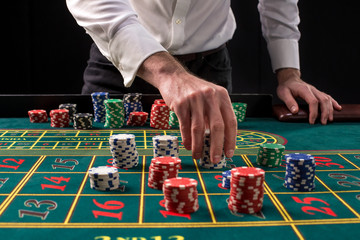
Addiction experts note that gambling taps into our brain’s reward system. When players experience a win, even a small one, the brain releases dopamine, a chemical associated with pleasure. This response creates a loop where the individual seeks to replicate the rewarding experience, encouraging further gambling. Additionally, the illusion of control can further entice players, as they believe certain strategies or choices can influence their odds of winning, thus deepening their engagement.
The design of casino games, particularly slot machines, often incorporates elements aimed at enhancing player retention. Features like bright graphics, enticing sound effects, and the promise of big jackpots contribute to a player’s desire to engage. This careful orchestration of sensory stimuli keeps players in the game longer than they initially intended, showcasing how psychological manipulation underlies the gambling experience.
The Role of Cognitive Biases in Gambling
Cognitive biases play a significant role in gambling behaviors, influencing how players perceive risk and reward. One prevalent bias is the gambler’s fallacy, where individuals mistakenly believe that past outcomes can influence future results. For example, if a slot machine hasn’t paid out recently, players may think it’s “due” for a win, leading them to place more bets. This flawed reasoning often results in players continuing to gamble in hopes of a forthcoming victory, often without regard for odds or probabilities.
Another cognitive bias that affects gamblers is the illusion of control. Players frequently overestimate their ability to influence outcomes, particularly in games that are largely based on chance. This misconception can lead to excessive gambling, as individuals cling to the belief that they can improve their odds through skill or strategy, even in purely luck-based games. This perception can further entrench players into the gambling culture.
Furthermore, availability heuristics cause players to remember recent wins more vividly than losses. This selective memory reinforces their belief in the viability of their gambling strategies. Even if they experience frequent losses, the human tendency to focus on past wins can create a distorted picture of their overall gambling experience, perpetuating the cycle of play despite the negative financial implications.
The Social Aspect of Gambling and Its Psychological Impact
The social environment of casinos greatly influences gambling behavior, as the presence of other players can enhance the overall experience. Many gamblers enjoy the camaraderie that comes from sharing victories and defeats with fellow players. This social interaction can make the experience more enjoyable and addictive, as players feel part of a community with shared interests. The buzz of excitement in a crowded casino can amplify individual emotions, creating a festive atmosphere that encourages more gambling.
Moreover, peer pressure can significantly impact a person’s gambling decisions. Individuals may feel compelled to gamble more or take larger risks when surrounded by enthusiastic peers. This social validation reinforces the behavior, making it challenging for players to resist the urge to engage in gambling activities. Such dynamics demonstrate how community aspects can reinforce addictive behaviors and create a culture of gambling where participation is seen as normal or even encouraged.
On the flip side, the social aspect can also lead to negative consequences. For some, the desire to fit in can push them towards irresponsible gambling, causing financial distress and relationship issues. As they chase the thrill in hopes of belonging, they may find themselves trapped in a cycle of excessive play that is hard to escape. Thus, the social dynamics of gambling can act as both a draw and a potential pitfall for players.
The Impact of Marketing and Game Design on Gambling Behavior
Marketing strategies employed by casinos are specifically designed to attract and retain customers. Promotions, loyalty programs, and massive jackpots are enticing offers meant to draw players into a false sense of security regarding their chances of winning. These tactics often obscure the harsh realities of the odds, luring players into thinking they can achieve the seemingly attainable rewards. The promise of big winnings can create an irresistible urge to participate, despite the statistical likelihood of losses.
Game design also plays a critical role in shaping gambling behavior. Modern casinos utilize sophisticated algorithms and psychological techniques to enhance player engagement. Features like near-misses in slot machines are intentionally designed to keep players playing longer. These near-miss scenarios create a sense of hope, making players feel they are close to winning, which reinforces the urge to continue gambling. This clever manipulation can keep players engaged for extended periods, often leading to undesirable financial outcomes.
Furthermore, the use of visually appealing graphics and engaging storylines in casino games caters to the human desire for entertainment. Gamification elements, such as levels and rewards, create a more immersive experience that can be hard to resist. By wrapping gambling in layers of excitement and entertainment, casinos can foster a deeper psychological attachment, making it challenging for players to step away, even when they recognize the risks involved.
Slot Bunny: A Safe and Engaging Environment for Gamblers
Slot Bunny is an online casino designed specifically for players in New Zealand, embodying a commitment to providing a safe and engaging gambling environment. With a wide array of games, including slots, table games, and live dealer experiences, Slot Bunny caters to a diverse audience. Understanding the psychological aspects of gambling behavior, the platform aims to create a balanced experience that allows players to enjoy their time without falling into the traps of excessive gambling.
The site offers generous bonuses and fast payouts, which can attract players while also ensuring they feel valued. Its user-friendly interface and seamless navigation on both desktop and mobile devices enhance the gambling experience, allowing players to easily access their favorite games. This focus on convenience demonstrates an understanding of the psychological factors that keep players engaged and satisfied.
Moreover, Slot Bunny prioritizes player support with a dedicated VIP program and 24/7 customer service. This commitment to customer care not only provides assistance but also cultivates a sense of community among players. By acknowledging the psychological aspects of gambling and fostering an environment focused on responsible play, Slot Bunny strives to create an enjoyable gaming experience that prioritizes player well-being.